There is a quiet power in what we wear.
Before a word is spoken, clothes announce who we are, or at least who we believe ourselves to be. To dress with intent is to understand that presentation is not performance, but philosophy. The garment becomes an idea — a reflection of how we wish to exist in the world.
We live in an age of noise.
Logos scream, fabrics compete, trends die before they are even born. Yet the essence of style has never changed. True elegance does not demand attention; it invites observation. It speaks in tone, not volume. Intentional dressing is not about appearance, it is about awareness — the awareness that how we carry ourselves reveals the discipline of our inner world.
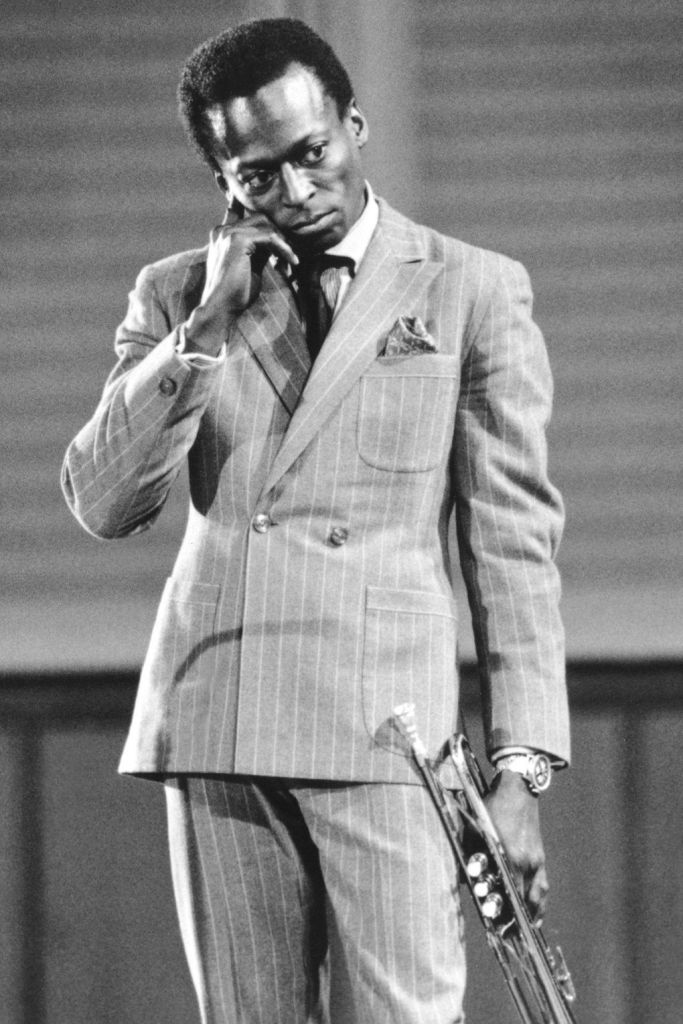
I. The Philosophy of the Everyday
Every morning is a ritual.
We wake, we choose, we adorn. The act seems small — a shirt, a watch, a pair of trousers — yet beneath it lies an unspoken declaration: I will not move through the world carelessly.
To dress with intent is to respect time. It is to recognise that effort is sacred, that detail is devotion.
A 2023 study from the National Library of Medicine found that dress influences not only how others perceive us, but how we perceive ourselves.¹ Clothing can shape confidence, focus, even ethics. This is why intention matters — because fashion, at its highest form, is not vanity. It is consciousness made visible.
II. Noise and Silence
The difference between fashion and style is the same as the difference between noise and music.
Fashion shouts to be heard; style whispers and is remembered. Philosopher Emanuele Coccia described clothing as an extension of our skin — an architecture of the self.² If that is true, then every outfit becomes a form of philosophy.
The question is: what are you teaching?
Intentional dressing requires silence. It resists the compulsion to impress. It chooses restraint over reaction. Because only in silence can taste be heard.
III. The Weight of Taste
Taste is not preference. It is perception refined by time.
Anyone can buy luxury; few can embody it. The difference lies in discernment — the ability to see meaning in simplicity. A well-cut jacket, a clean hem, a fabric that moves with the body rather than against it. These are acts of precision, not ego.
Oscar Wilde, in The Philosophy of Dress, mocked fashion’s constant reinvention, calling it “a form of ugliness so unbearable that we must alter it every six months.”³ Beneath the wit lies truth: what is timeless never screams for replacement.
To dress with intent is to rebel against disposability. It is to recognise beauty as a form of resistance.
IV. The Inner Mirror
Clothes, when chosen deliberately, are not costumes — they are mirrors.
They reflect what we value. They remind us of who we said we would become. Dressing with intent is therefore an act of alignment: between inner and outer, spirit and silhouette.
Ask yourself:
If no one were to see me today, would I still choose this?
That question separates performance from purpose. When you dress for the gaze of others, you chase approval. When you dress for your own gaze, you chase truth. It is in this private elegance — this unseen dignity — that style finds its highest form.⁴
V. The Discipline of Detail
Every stitch is a sentence. Every fold a paragraph.
To care about detail is to care about meaning. The man or woman who dresses with precision is not obsessed with control — they are devoted to craft. They move through the world as though the body were sculpture and the day an exhibition.
To live beautifully is to live deliberately.
And dressing with intent is simply the physical expression of that idea.
Luxury, then, is not a price point. It is the accumulation of thoughtful choices — the pursuit of quality over quantity, refinement over reaction.
VI. The Legacy of Presence
In the end, what you wear is not about the fabric on your skin, but the message in your movement. Clothes are temporary; presence is eternal. Dressing with intent is a form of meditation — an understanding that beauty and discipline are inseparable.
We live in an age that rewards speed, but real taste takes time.
The great designers, the true artisans, all understood this: craft is slow, but impact is timeless.
To dress with intent is to say:
I am awake.
I am aware.
I am building something that will last longer than the trend, longer than the noise, longer even than me.
Because real elegance does not fade. It evolves.
References
- “Dress and Impression Formation,” National Library of Medicine, 2023.
- Emanuele Coccia & Alessandro Michele, “Fashion Deserves a Place in the World of Ideas,” Le Monde, 2025.
- Oscar Wilde, The Philosophy of Dress (1890).
- “Dressing for Our Own Gaze,” The Undone, 2024.
By Gacovski
 BY GACOVSKI
Leave a comment