Time is the most valuable asset that all of us have, yet it is the only asset that we will never truely own. It moves quietly indifferent to ambition or desire, yet it is the true definition of all things. Those who understand time — its rhythm, its discipline, its art — are the one who learn to live with purpose.
The Value of Time
Halfway through the 2020s decade, one thing is for sure — humans are obsessed with speed & the idea of patience has become almost radical. Our screens demand constant movement, our minds are always chasing the next notification, the next headline, the next opportunity. The obsession of speed has taken away what is most important and that is control. To move with elegance and intention, you must have control.
Time has a psychological weight — it governs emotion, perception and value. When something takes time, we instinctively consider that the value of that thing increases. Why is this we ask? Because time is the one resource we can never replace. When something demands time, it demands a part of us. It requires attention, patience and restraint — all rare traits in a world built on immediacy. Psychologically humans, associate putting in effort with worth. The more time something takes to create, naturally we believe that it must hold meaning. That’s why a handmade object feels different to one made by a machine.
The Watch as a Metaphor
A watch is a piece of philosophy that is made tangible. Each gear turns in harmony with another, forming a system of balance and discipline. No part works, no movement is wasted. Watches are made with the meaning of how life should be lived — intentional, precise and interdependent.
All the power of the most desirable watches, lives in the fine details. The curves, the depth of a dial, the rhythm of a ticking escapement.
When someone chooses to wear a fine watch, they are choosing a to wear patience. Each mechanical tick is a reminder that time cannot be rushed and can only be observed. It is a conversation between man mechanism, between mortality and mastery.
Symbols of Legacy
Every great watchmaker tells a different story about time.
Rolex represents endurance — not novelty, but consistency. A submariner or a Day – Date worn daily for decades, aging with the wrist that wears it is true ultimatum of Rolex — the psychology of reliability turned into metal.
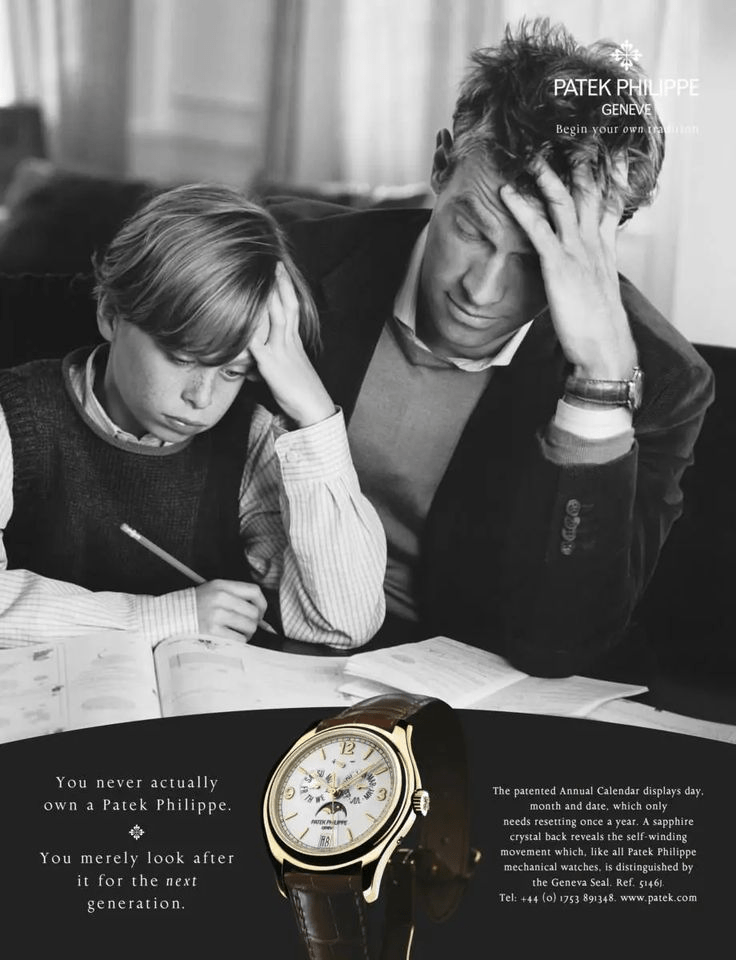
Patek Philippe is about lineage. These watches are not bought, they are inherited and they embody that true ownership transcends one lifetime. “You never actually own a Patek Philippe; you merely look after it for the next generation.”
That sentence captures the philosophy of legacy better than any advertisement could.
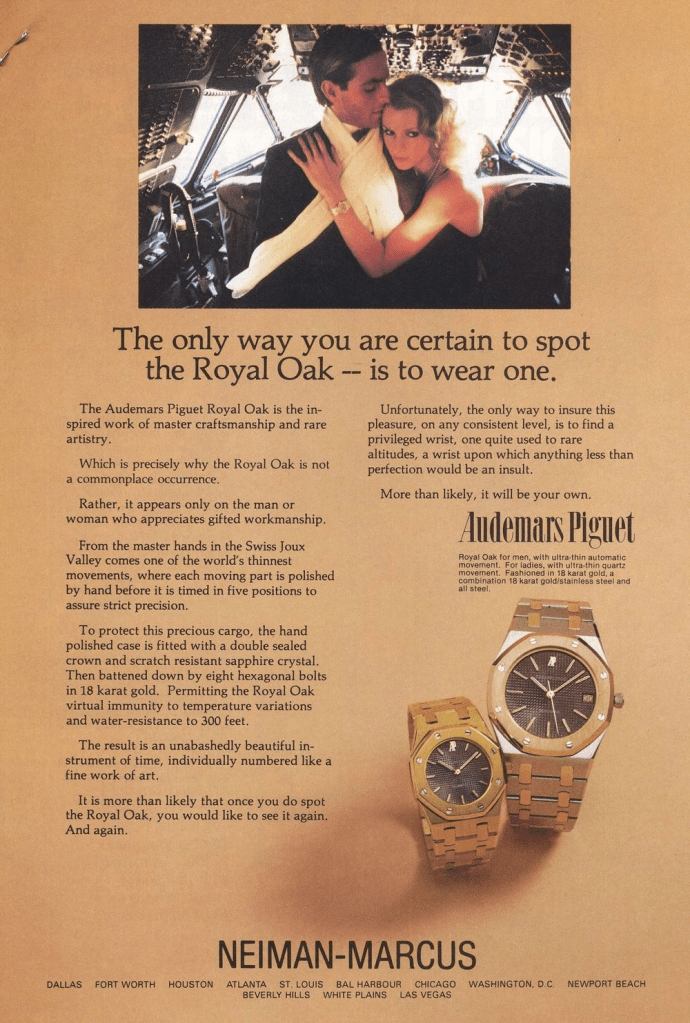
Audemars Piguet speaks to rebellion. The Royal Oak broke rules when it was introduced —steel where others used gold, angular lines where softness was expected. The Royal Oak showed that modernity, could still posses heritage, that innovation and respect could coexist.
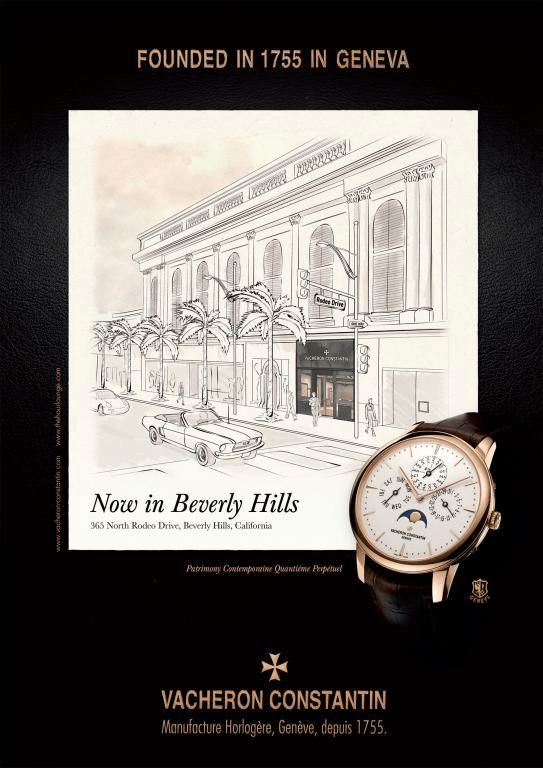
Vacheron Constantin, the oldest of them all, embodies continuity. Founded in 1755, it represents an unbroken line of creation with centuries of artistry preserved through war, revolution, and reinvention. Vacheron’s strength is subtlety. It doesn’t compete for attention; it commands it through silence. Its watches are lessons in proportion, grace, and patience — virtues that mirror the passing of time itself.
These companies represent more than craftsmanship. They represent time as identity and how we choose to express our values through the things that last longer than we do.
The Psychology of Time.
Psychologists of describe temporal awareness as a measure of maturity. They say children live in moments and adults live in plans. However, the wise choose to live in both — present enough to feel, disciplined enough to feel. That balance is the essence of what makes true fulfilment.
To be aware of time is to live consciously, those who ignore it drift and those who chase it burn out. But it is those who understand time that truely shape it. They recognise that every decision compounds. Every hour has value.
Time rewards the deliberate.
This is why we admire craftsmanship, why we’re drawn to things that take time.
Because subconsciously, they mirror the structure we wish to have in our own lives — order, patience, precision, meaning.
The watch becomes a teacher.
It reminds us that time is not infinite, but it is enough — if we live it well.
The Modern Paradox
If the classic houses represent discipline, then the Richard Millie and Jacob & Co. represent true expression — the modern impulse to turn time itself into spectacle. Richard Mille pushes engineering to the edge, creating skeletonised movements that feel more like race cars than watches.
Jacob & Co. transforms horology into theatre — multi-axis tourbillons suspended like galaxies under glass.
These brands mirror our era: louder, faster, bolder.
Yet beneath the diamonds and carbon fibre, the same principle remains — precision, obsession, craft.
Even the wildest timepiece still depends on the quiet mathematics of time.
The paradox is that both philosophies are valid.
One teaches restraint; the other celebrates freedom.
Together, they show the spectrum of human relationship with time — control versus expression, discipline versus desire.
And perhaps that is what defines modern luxury: the ability to move between both worlds without losing authenticity.
The Discipline of Elegance
Luxury, at its core, has never been about price. It’s about pace.
It’s the refusal to rush what deserves time.
The artist, the craftsman, the designer, the collector — they all share one thing: restraint.
They understand that beauty requires distance from chaos.
A fine watch embodies that restraint.
It doesn’t exist to display wealth. It exists to symbolise control.
It tells the world that you move to your own rhythm, that you value depth over noise.
There is dignity in discipline.
To master time is not to dominate it, but to respect it — to align with its rhythm rather than resist it.
That’s the psychology behind all true elegance.
The Art of Living with Time
Time is not a resource. It’s a canvas.
Every second is a brushstroke, shaping the life we leave behind.
We can waste it, we can trade it, or we can use it to create something lasting.
The world measures success in speed.
But legacy is built in slowness — in refinement, repetition, and attention.
The things that endure are the things that took time to make.
A watch cannot stop time, but it can remind us to live within it.
It becomes a ritual, a moment of stillness, a signal to pause.
And in that pause, we find clarity.
Because in the end, the art of time is the art of being present.
And those who master that art — master life itself.
By Gacovski
 BY GACOVSKI
Leave a comment