If there is one skill that can define the winners of the new generation. One thing that almost all new entrepreneurs and artists forget what is the most important — storytelling.
I. The hype with no story
In the last 10 years a lot has happened, there have been many trends, many famous artists that have disappeared and numerous businesses that have just not survived. What happened to the whole Hypebeast streetwear? Sure it’s still around — remember how popular it was in 2016, 17, 18? It was crazy. Now let’s just say the cultural relevance has fallen off.
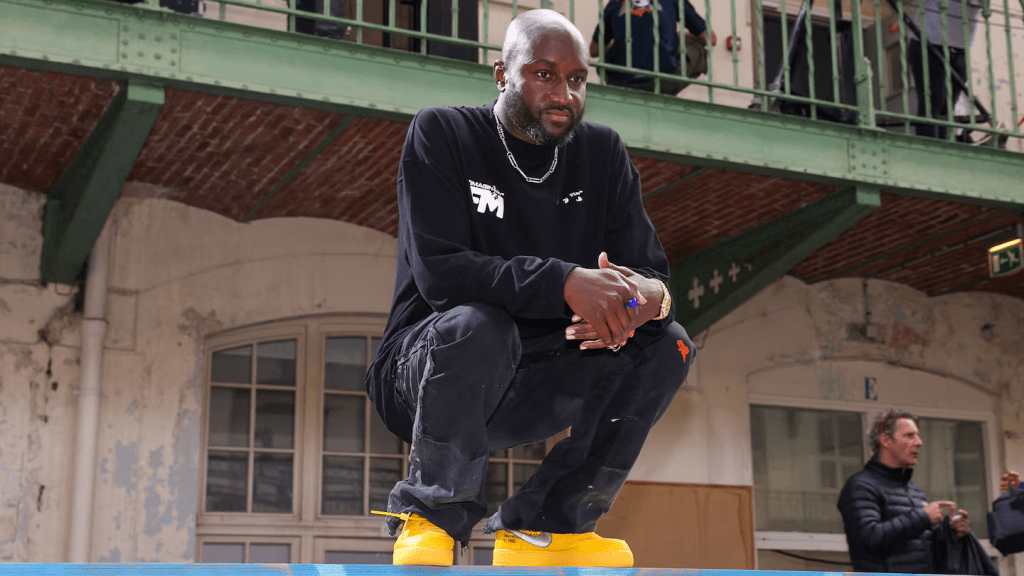
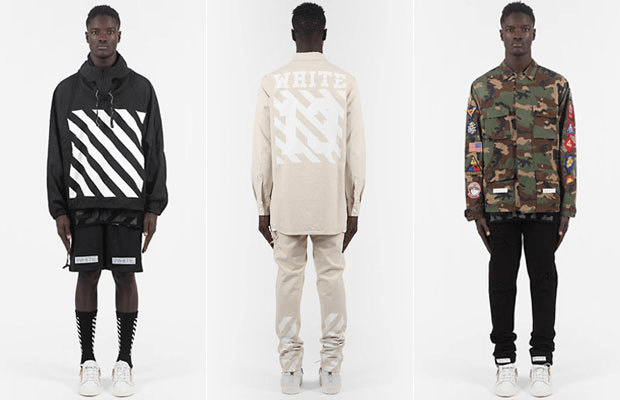
Off White — one of the biggest brands in the 2010s era, it was Virgil Abloh’s ultimatum. July 2021, LVMH acquires a large stake in Off White. November 2021, Virgil Abloh passes away. September 2024, LVMH sells their equity in Off White to Bluestar Alliance and that is it. Once Virgil had passed away, the brand had no creative vision, no flair, no uniqueness, no storytelling.
Vetements — 2016 – 2018. The demand for the brand was insane. The anti establishment garments, the DHL tees, the hype factor. Today, Vetements has almost zero cultural relevance and is almost forgotten, no one really talks about it.
These are two examples of fashion labels that skyrocketed. Picture all the young entrepreneurs who tried to do the same thing and still do to this day? This is why most brands fail, founders try to rely on the whole hype aspect rather than just focus on what is true and what is unique.
The decline of hypebeast streetwear is evident and is a result of the lack of storytelling. People are becoming more obsessive with the past — not 5 – 10 years ago — 30+ years ago, from the brands that have lasted for decades because of their storytelling.
Now let’s look at the music industry 10 years ago.
The last decade in music was one of the fastest boom-and-bust cycles in cultural history. Artists weren’t breaking through with albums, artistry, or narrative — they were breaking through with moments. A single viral hit could turn someone into a global superstar overnight… and just as quickly, the spotlight would disappear.
You saw entire waves of musicians explode from one chorus, one hook, one TikTok trend, or one controversy — and then fade into silence. Not because they lacked talent, but because their careers were built on hype, not on story.
A moment can make you famous.
Only a narrative keeps you relevant.
That’s why the artists who survived the decade weren’t the loudest or the most viral — they were the ones who built worlds around their music. The ones who understood cohesion, vision, identity. The ones who treated every project like a chapter, not a one-off. The ones who knew how to build a mythology around their art.
Music is the same as fashion:
listeners aren’t just consuming the product — they’re buying into the story.
ii. The original currency for attention
If the last decade has taught us anything. It is that hype has an expiration date — story does not. When you zoom out and look at culture for the last thirty to fifty years, you realise one thing. People never fall in love with trends. People fall in love with narratives. That’s why even in 2025, people still obsess over the fashion, music, and films from eras they weren’t even alive for.
Look at fashion. People continue to go back to the universes that designers created decades ago. The quiet intellectualism of Prada, the American nostalgia of Ralph Lauren, the meticulous craft of Hermès, the rock-and-roll worldview of Yves Saint Laurent, the deconstructed poetry of Maison Margiela — these brands didn’t survive because of logos or viral moments. They survived because they built worlds. Prada wasn’t just clothing; it was a mood, an attitude, a philosophy. Ralph Lauren didn’t sell shirts; he sold an entire dream of American elegance and romance. Hermès wasn’t about luxury goods; it was about heritage, craftsmanship, and myth. People don’t chase the object. They chase the mythology attached to it. That’s why a leather jacket from the 80s carries more romance than a logo hoodie from 2018. One has a story; the other had a moment.
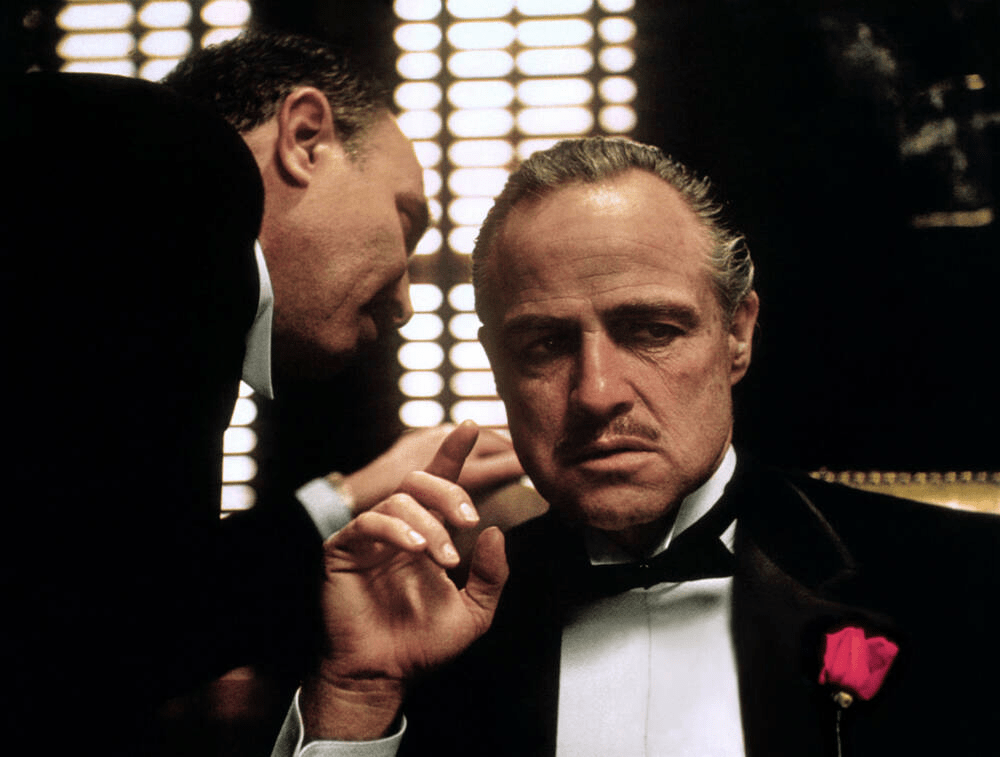
Film proves the same rule. Movies like The Godfather, Heat, Scarface, Pulp Fiction, Fight Club, and The Matrix are still cultural landmarks because they built universes that felt alive. They had characters with depth, philosophies with weight, and worlds that stayed with people long after the screen went black. They didn’t trend — they defined eras. Meanwhile, modern algorithm-driven content hits the screen, entertains for an hour, and disappears forever. Films with meaning last forty years. Films made for speed last a weekend.
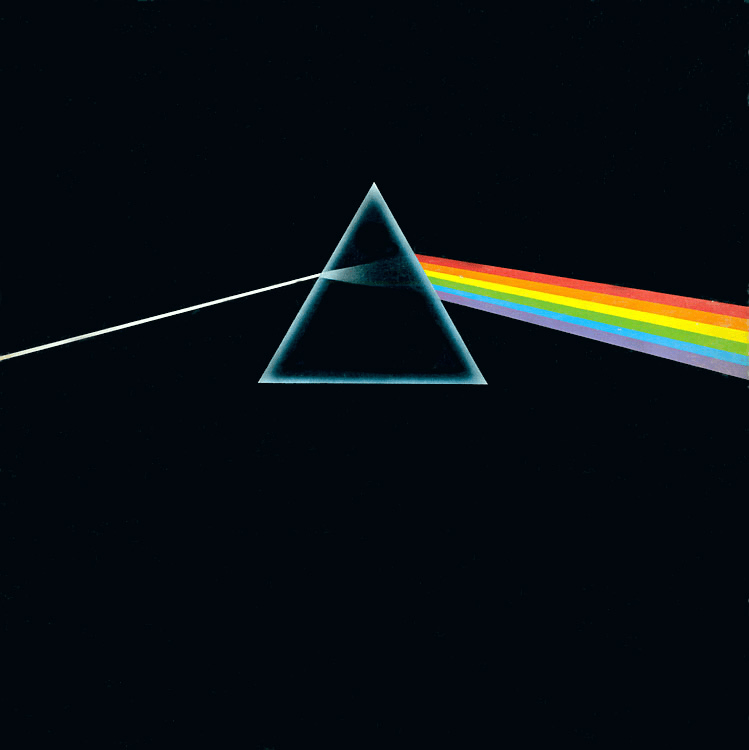
Music follows the same pattern. People still listen to timeless albums not out of nostalgia but because those albums were constructed with intention and narrative cohesion. Hip Hop, look at the albums from the 90s compared to now. There is intention and meaning. A great album becomes a chapter in someone’s life, not just a playlist. That’s why decades later, listeners still return to projects that mapped identity, heartbreak, struggle, locations, and eras. A viral hit might own one summer; a story-driven album owns a decade and beyond.
Even the business world follows this same law. Companies with true longevity — Apple and Nintendo, for example. They didn’t just sell products. They built mythologies. Apple’s entire identity has always been built on creativity and rebellion. Nintendo stands for imagination and wonder. These companies outlived thousands of startups and DTC brands from the 2015–2022 boom because hype was never their strategy. They had identity. They had meaning. They had narrative depth.
In every corner of culture the pattern repeats itself: hype fades, story doesn’t. People don’t stay loyal to noise. They stay loyal to narratives that make them feel something. Story creates meaning. Meaning creates memory. And memory creates legacy. That is why people romanticise the past — not because it’s old, but because it feels real, intentional, lived-in, and human. Storytelling is the only force in culture that compounds with time. The older it gets, the more powerful it becomes. Hype fades in eighteen months, but story lasts for generations.
iiI. What The Next Generation Should Do?
So what does this mean for the next generation of creatives? For the young designer trying to build a brand, the artists trying to build a career, the founder trying to launch something meaningful? It means that the same forces that shaped the last thirty years of culture are shaping the next thirty. The tools have changed — social media, AI, TikTok, Shopify, streaming — but the underlying truth is exactly the same: people don’t connect with what you make; they connect with why you make it.
Young creatives today are living in an era where the barriers to entry have never been lower. Anyone can release a song, launch a clothing line, or brand themselves as an entrepreneur. The market is flooded with output. But that’s exactly why the people who stand out will be the ones who know how to build a world around what they create. A T-shirt without a story is just cotton. A beat without a narrative is just noise. A business without identity is just another website. The advantage no algorithm can replicate is the ability to make people feel something deeper than the product itself.
Storytelling today isn’t about writing a novel or crafting some complicated mythology. It’s about clarity. It’s about knowing what you stand for and communicating it with consistency. A young designer doesn’t need to reinvent the entire industry; they just need to articulate the world their clothes belong to. A young musician doesn’t need to chase trends; they just need to let people understand the perspective, the emotion, the soul behind their sound. A young founder doesn’t need a billion-dollar idea; they need a purpose strong enough that someone else can believe in it too.
The most powerful thing a young creative can do today is build a world people want to enter. That world might be emotional, aspirational, nostalgic, rebellious, elegant, or raw — but it has to be intentional. Look at the creators who are winning now, not because they make the most content, but because their identity is unmistakable. You know their style, their taste, their values, their voice. They’re not competing for attention; they’re attracting it. Creativity has always been a magnet, but storytelling determines the force of its pull.
Young creatives should think in chapters, not posts. In arcs, not algorithms. In evolution, not virality. The question is no longer “how do I blow up?” but “what world am I building that people can grow with?” Because when you build a world, your audience isn’t just watching you — they’re living inside your vision. They’re invested in your growth. They’re part of your story.
The creators who will dominate the next decade are the ones who understand that craft matters, consistency matters, taste matters — but storytelling is what ties it all together. It’s what turns a project into a brand, a song into a career, a garment into a symbol, an idea into a legacy. Young creatives today have the greatest tools in human history. But tools don’t create culture. Stories do.
By Gacovski

 BY GACOVSKI
Leave a comment